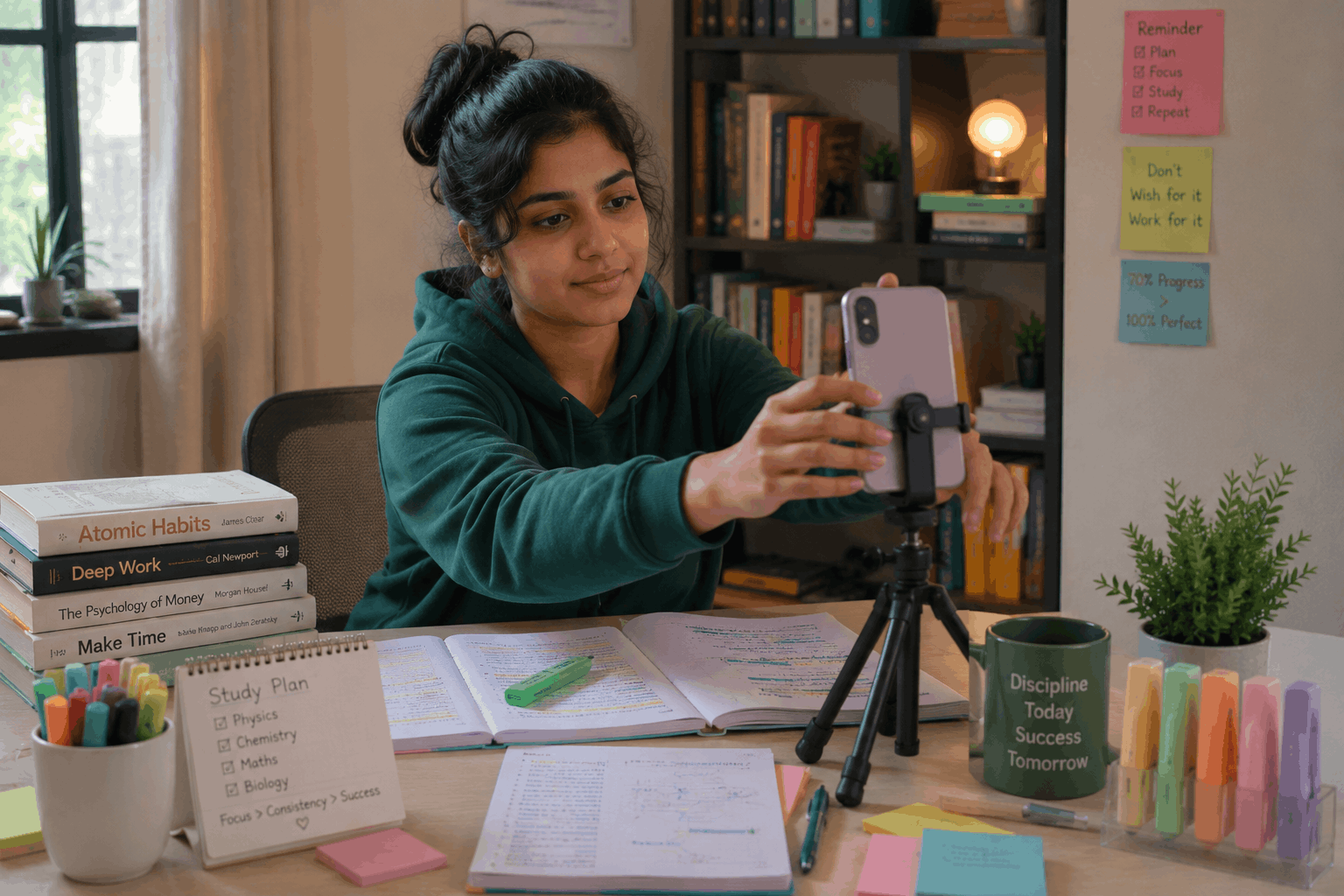
If you’ve spent any time on Instagram Reels or TikTok lately, you’ve probably seen it — a student sitting at a perfectly organized desk, color-coded notes spread out, a focus playlist playing softly, phone nowhere in sight, grinding through a silent four-hour study session. The caption usually says something like “becoming an academic weapon” or “academic weapon era.”
It looks aesthetic. It looks intense. And honestly, it’s gotten millions of students asking the same question: is this actually a real study method, or just another social media trend that looks good on camera but doesn’t mean much?
Here’s the honest answer — it’s a bit of both, and understanding the difference is what actually matters if you want results instead of just a good-looking study reel.
This guide breaks down the academic weapon meaning, why the academic weapon study trend has spread so widely, and exactly how to become an academic weapon in a way that actually improves your results — not just your Instagram grid. As education content creators who regularly research effective learning methods, we’ve found that disciplined, sustainable routines consistently outperform last-minute cramming, no matter how good the cramming looks on camera. If you’re already working on building better study habits, our Academic Success guide pairs well with this one.
What Does the “Academic Weapon” Trend Actually Mean?
The term “academic weapon” describes someone who treats studying with total discipline and intensity — someone who shows up consistently, blocks out distractions completely, and pushes their academic performance to its highest possible level.
It’s less a specific study technique and more an identity, a mindset students are choosing to embody, especially during exam season. The academic weapon aesthetic typically shows up on social media as:
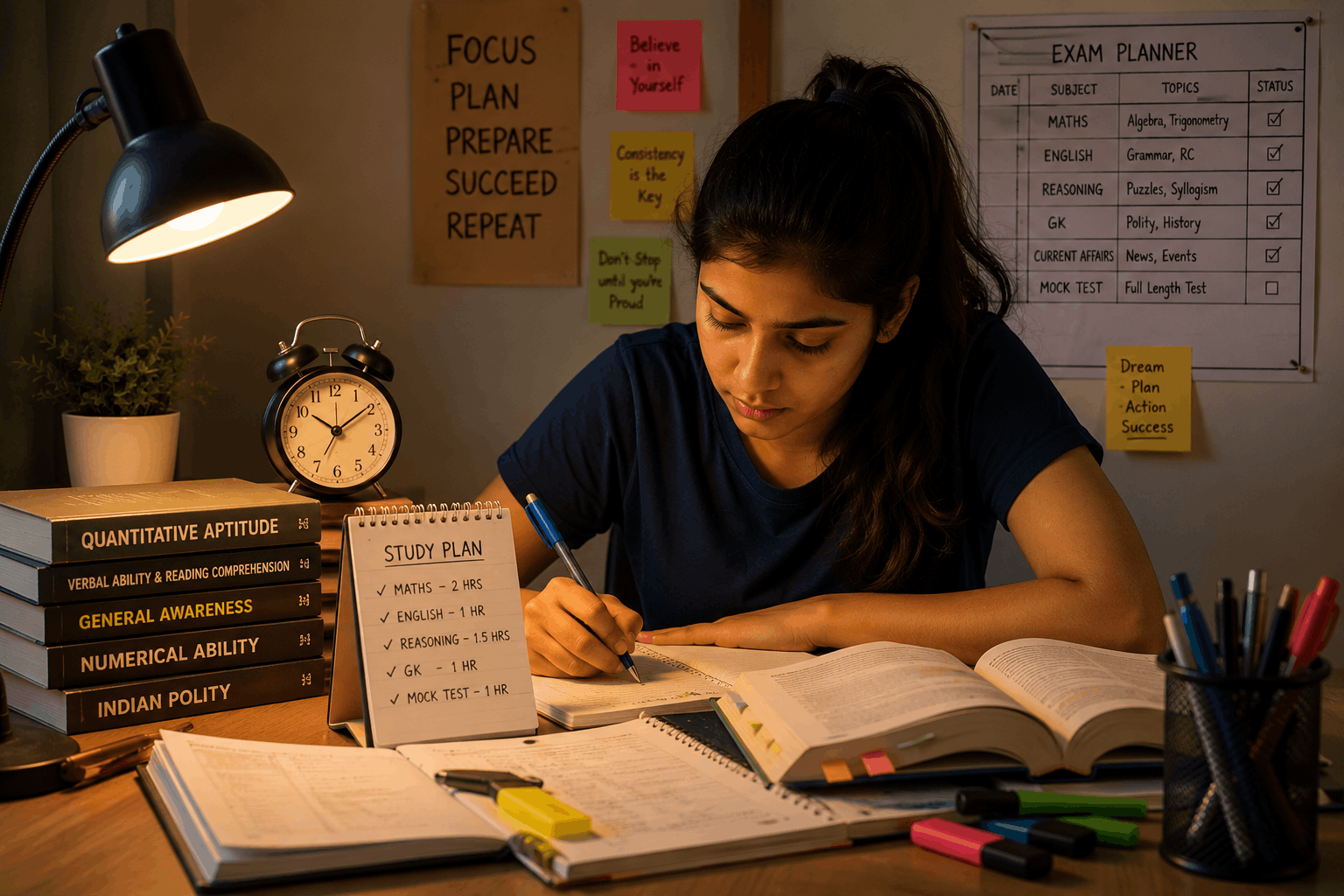
- Long, uninterrupted study sessions filmed in real time
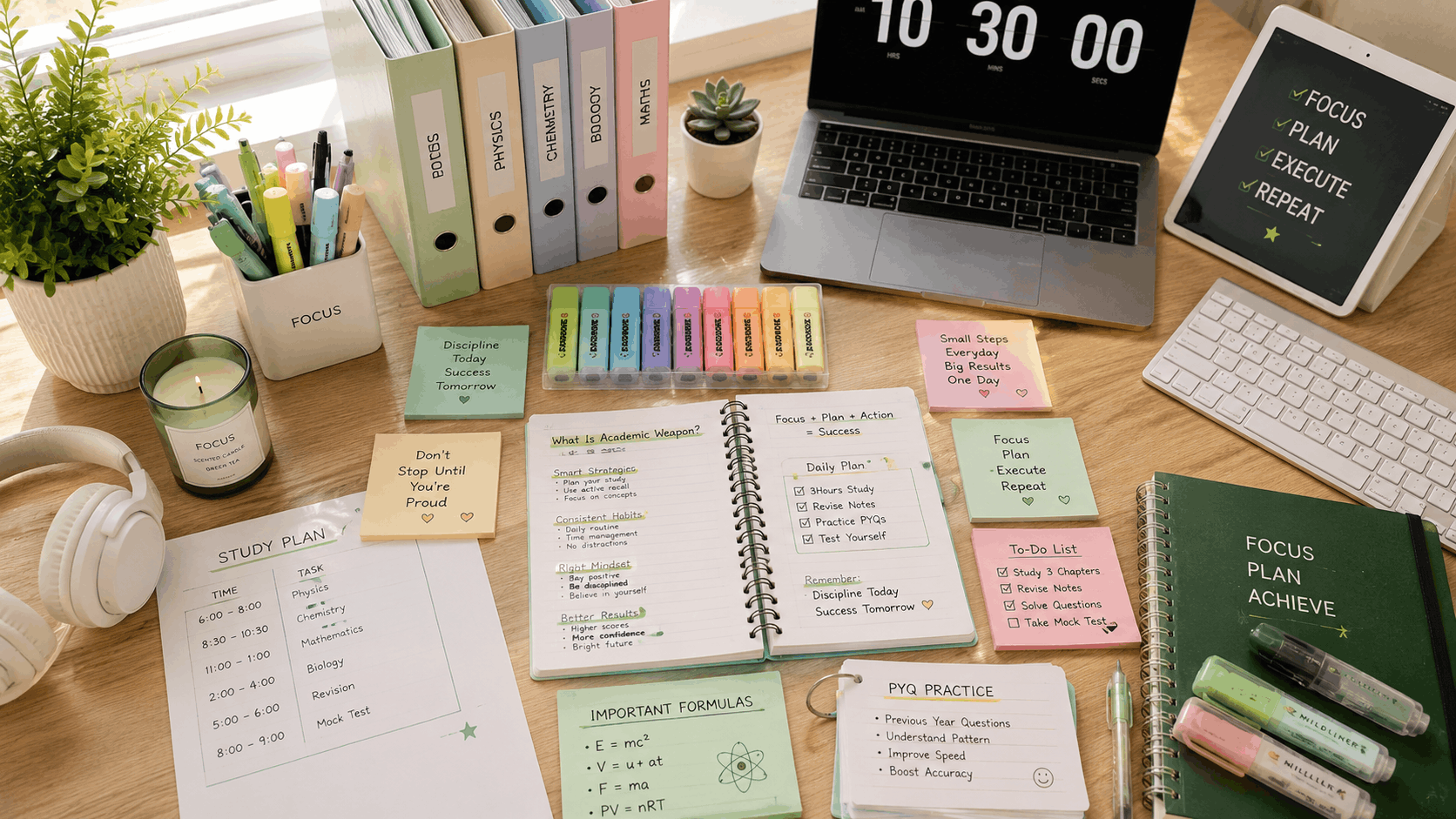
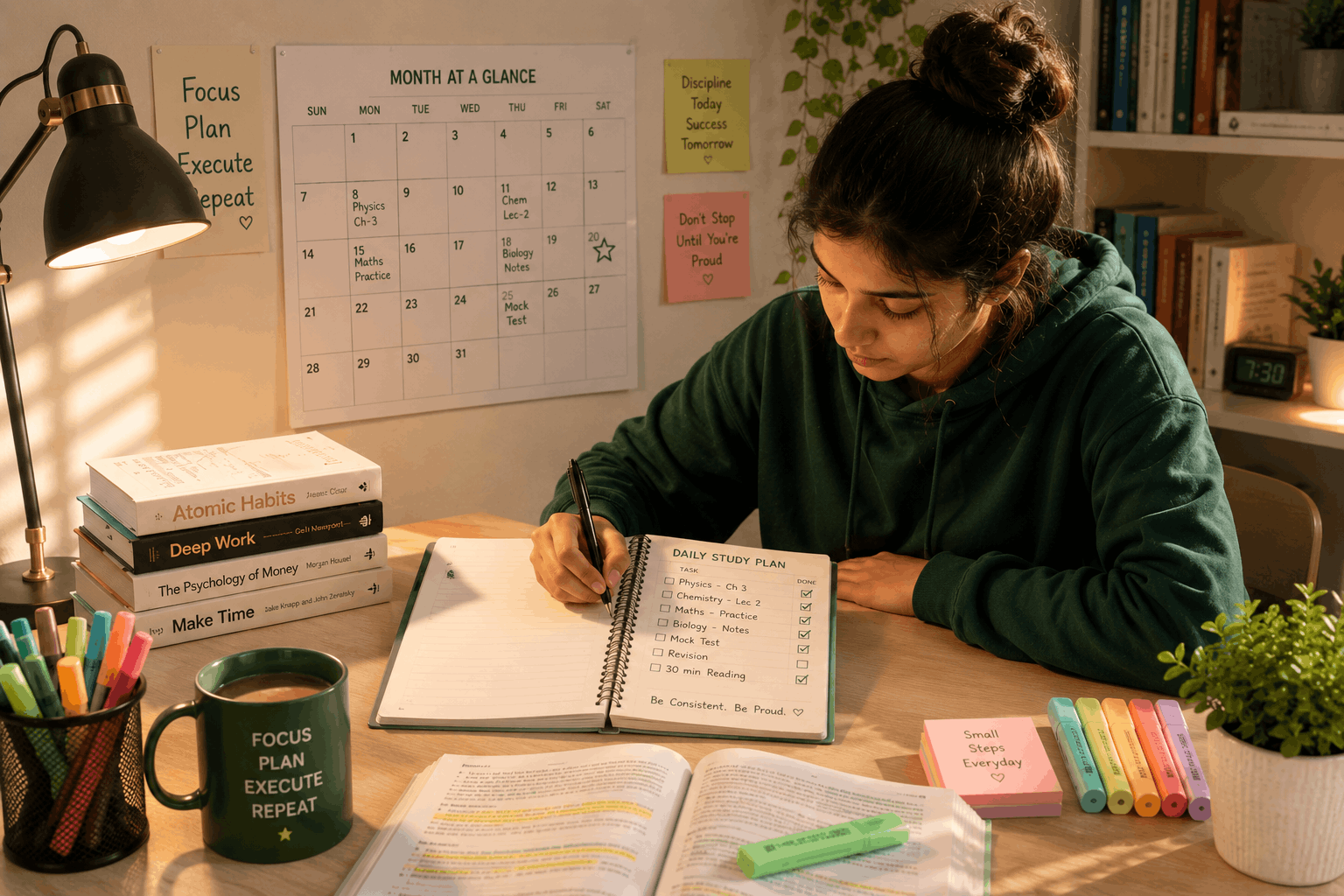
- Aesthetic desk setups — highlighters, sticky notes, color-coded folders
- Calm, focused background music or “study with me” audio
- Captions celebrating discipline, consistency, and pushing through discomfort
The trend has genuinely resonated with academic weapon students worldwide, partly because it taps into something real: the desire to feel disciplined and in control during stressful academic periods, especially board exams, competitive exam prep, or college assignments.
Why the Academic Weapon Trend Actually Works (For Some Students)
Before dismissing this as “just aesthetic content,” it’s worth understanding why it genuinely helps a lot of students stay consistent.
The Real Psychology Behind It
- Visible identity reinforcement — calling yourself an “academic weapon” repeatedly nudges your brain toward acting like one, similar to how affirmations work when paired with actual behavior
- Community accountability — watching others post their study sessions creates a quiet, shared sense of accountability, even without direct interaction
- Environment design — the emphasis on a clean, organized desk isn’t just aesthetic; a distraction-free environment genuinely improves focus
- Session structure — many “academic weapon” study sessions follow implicit time-blocking, which mirrors proven techniques like the Pomodoro method, just filmed and shared
So while the trend started as an aesthetic movement, the habits underneath it — consistency, environment control, and structured sessions — are genuinely backed by real study science. Research on active recall has found that students who test themselves on material can retain significantly more information after a week compared to those who simply reread their notes. Separately, well-documented research on distraction shows that even brief interruptions, like checking a phone notification, can take several minutes to fully recover focus from — which is exactly why the phone-free, distraction-free setup at the center of this trend genuinely matters, beyond just looking good on camera.
The Risk: When “Academic Weapon” Becomes Performance, Not Progress
Here’s where it’s important to be honest, because this trend has a real downside if you’re not careful.
Signs the Trend Is Hurting More Than Helping
- Spending more time setting up the “perfect” aesthetic desk than actually studying
- Feeling like a study session “doesn’t count” unless it’s filmed or posted
- Comparing your study hours to influencers’ four-hour sessions, even when your actual retention and results don’t require that
- Burning out from performing intensity rather than genuinely pacing your study according to your own needs
If you notice any of these patterns in yourself, it’s worth stepping back and asking whether you’re actually studying more effectively, or just performing productivity for an audience. The goal was never the aesthetic — it’s your actual understanding and results.
Social Media Version vs. Real Academic Weapon
| Social Media Version | Real Academic Weapon |
|---|---|
| 4-hour aesthetic study sessions | Consistent, focused sessions sized to your actual capacity |
| Expensive, elaborate desk setup | Simple, organized, distraction-free workspace |
| Filming every session | Tracking actual progress and scores |
| Looking productive on camera | Genuinely understanding the material |
| Comparing hours to influencers | Comparing your own progress over time |
How to Actually Become an Academic Weapon (Without the Burnout)
If the mindset genuinely appeals to you, here’s how to apply the good parts of this trend while avoiding the pitfalls.
1. Build Real Consistency, Not Just Viral Session Lengths
You don’t need four uninterrupted hours to be disciplined. Even a solid, distraction-free 90-minute session done consistently every day beats an occasional four-hour marathon followed by three days of burnout.
- Start with a realistic daily block you can actually sustain
- Gradually extend it only once the shorter sessions feel easy and automatic
- Consistency over weeks matters far more than intensity on any single day
2. Design Your Study Environment Intentionally
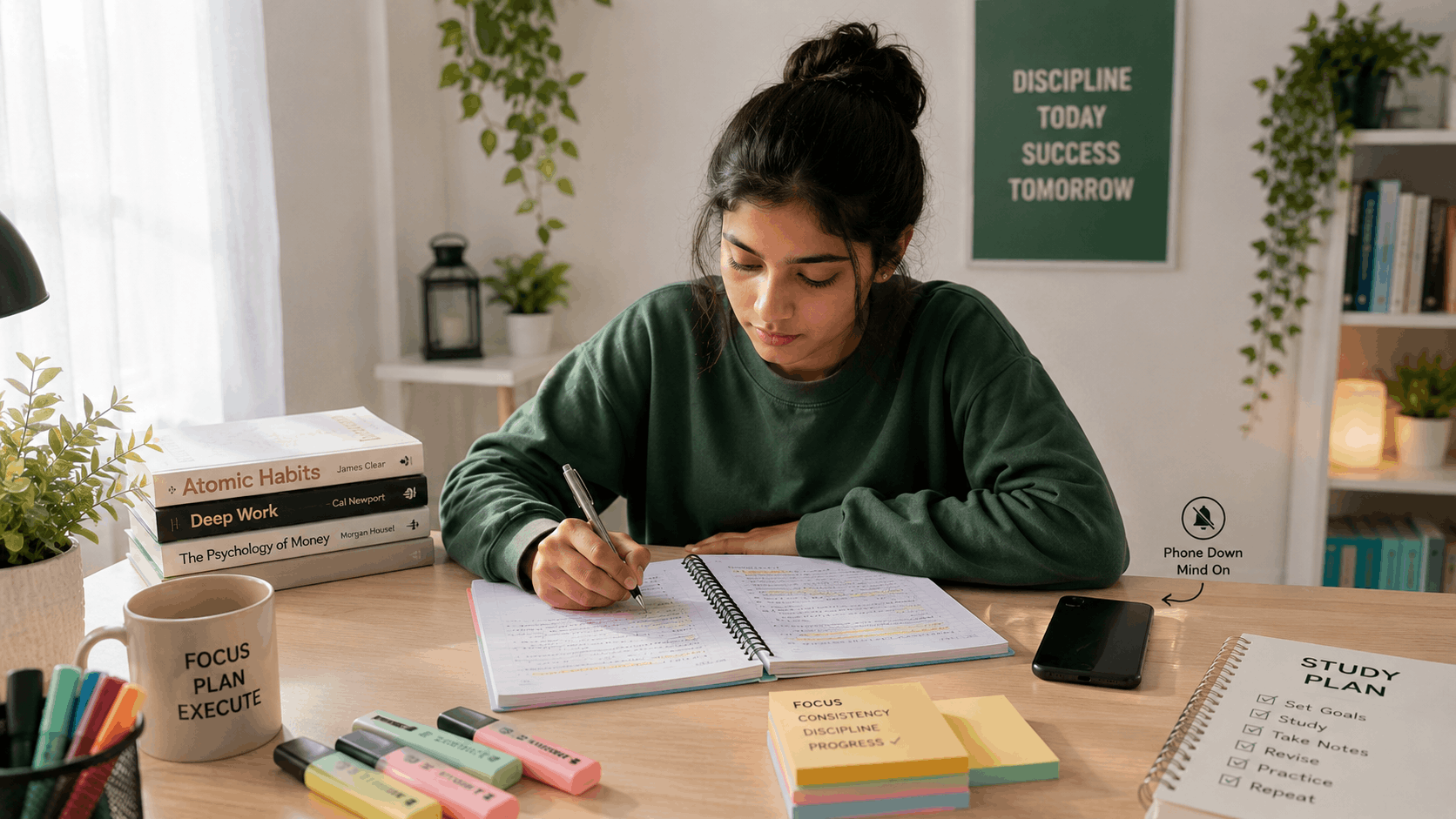
The aesthetic desk setups aren’t just for show — a clean, organized, distraction-free space genuinely supports focus.
- Keep your phone in another room, or use a focus app during study blocks
- Have your notes, stationery, and materials ready before you start, so you’re not interrupting your flow to search for things
- Use a fixed study spot your brain associates only with focused work, not scrolling or relaxing
3. Use Real Study Techniques, Not Just Long Hours
Long study sessions only help if you’re actually retaining information, not just sitting at a desk.
- Active recall — testing yourself on material instead of just rereading notes
- The Pomodoro technique — structured 25-45 minute focus blocks with short breaks in between
- Spaced repetition — revisiting topics over days and weeks instead of cramming once, a method backed by decades of memory research showing it significantly improves long-term retention compared to single-session studying
If you want a deeper breakdown of techniques like these, our Academic Success guide covers exactly these methods in more depth, including how top-performing students actually structure their study routines.
The Academic Weapon Formula (The Version That Actually Works)
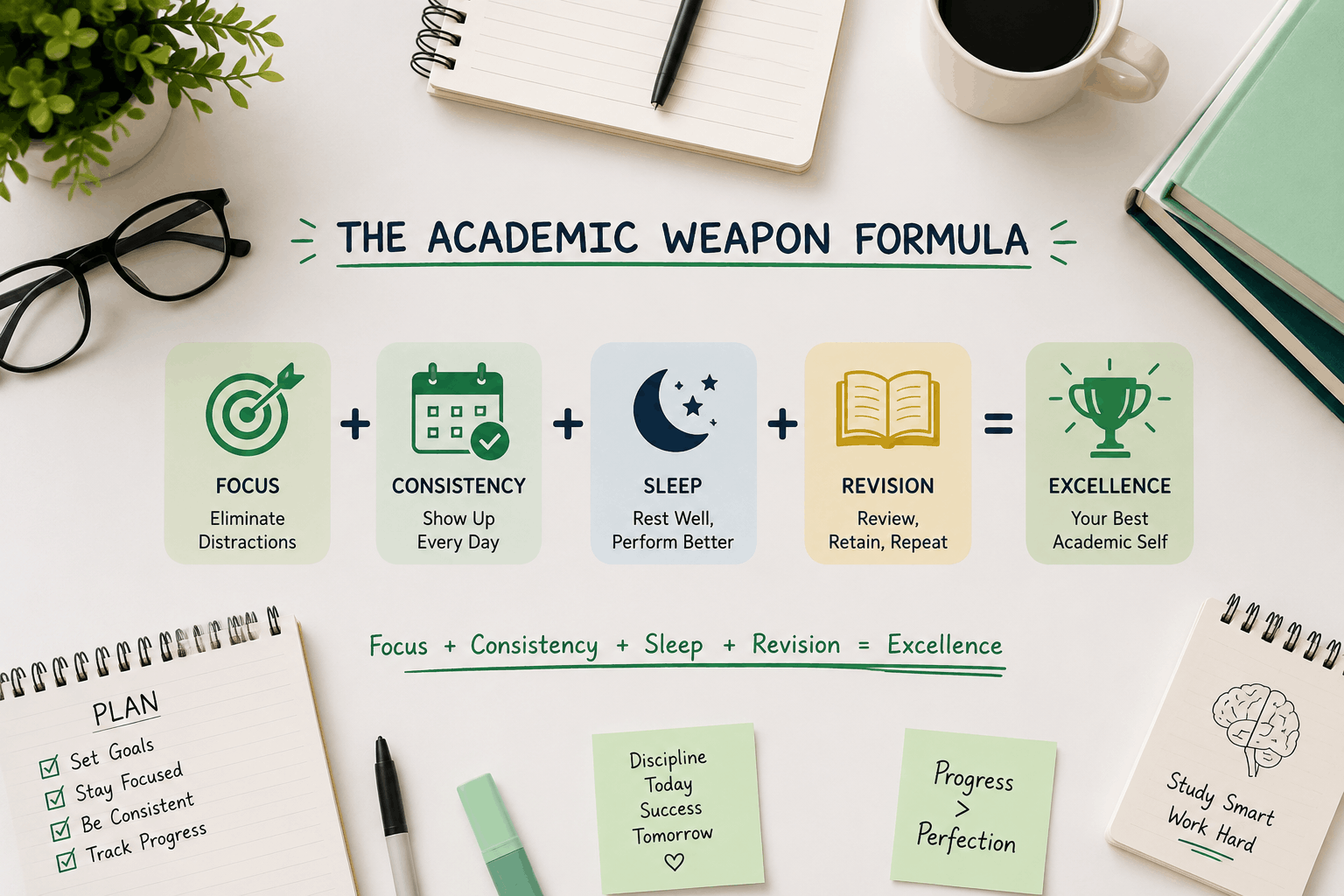
If you strip away the aesthetic and keep only what genuinely drives results, it looks something like this:
Focus + Consistency + Active Recall + Sleep + Revision = Better Results
Notice that “four-hour sessions” and “perfect desk setup” aren’t actually part of the formula. What matters is showing up consistently, studying with real focus, testing yourself instead of just rereading, protecting your sleep, and revisiting material over time.
4. Track Progress, Not Just Session Aesthetics
A genuinely useful “academic weapon” mindset focuses on outcomes — mock test scores, topics completed, concepts mastered — rather than how polished your desk setup looks on camera.
- Keep a simple log of what you actually completed each study session
- Review mock test or quiz scores over time to see real progress
- Celebrate genuine understanding, not just the number of hours logged
5. Rest Like It’s Part of the Strategy, Not a Failure
One of the biggest gaps in the online “academic weapon” aesthetic is that burnout, exhaustion, and skipped meals rarely make it into the highlight reel — but they’re extremely common consequences of chasing that intensity without balance.
- Build in proper sleep and short breaks as part of your actual plan, not an afterthought
- Recognize that sustainable discipline looks less dramatic than a viral reel, but produces far better long-term results
- Treat rest as part of the strategy that keeps you consistent for months, not just for one dramatic study session
Academic Weapon Trend vs Traditional Study Motivation: What’s the Real Difference?
If you’ve read general study motivation advice before, you might wonder how this trend is any different.
- Traditional study motivation focuses on internal drive — finding your “why,” building habits gradually, and staying consistent through natural motivation dips
- The academic weapon trend adds an external, identity-based layer — presenting yourself as disciplined, often publicly, which can boost accountability but also risks turning into performance for an audience
Both approaches can genuinely work together. If you’re navigating motivation dips specifically, our Study Motivation guide goes deeper into staying consistent through the inevitable low-motivation days that even the most disciplined “academic weapons” experience.
Who Benefits Most From Adopting This Mindset
While anyone can borrow elements of this trend, it tends to genuinely help certain students the most:
- Students preparing for competitive exams like NEET or JEE, where sustained, structured study over months matters enormously
- Students who struggle with a chaotic study environment and need a nudge toward organization and structure
- Students who respond well to identity-based motivation — those who find “acting the part” genuinely shifts their behavior, rather than feeling like empty performance
If you’re preparing for a long-haul exam like NEET, our NEET Result Breakdown 2026 guide offers useful context on what sustained, structured preparation over months actually looks like in practice.
Common Mistakes Students Make With the Academic Weapon Trend
Mistake 1: Copying Someone Else’s Study Hours Exactly
A four-hour session that works for one student might be excessive or unsustainable for another. Build a routine based on your own capacity, not someone else’s viral reel.
Mistake 2: Prioritizing the Desk Setup Over the Actual Studying
Spending 30 minutes arranging highlighters and sticky notes before every session eats into time that should go toward actual learning.
Mistake 3: Feeling Guilty for Shorter, Undramatic Study Sessions
A quiet, unfilmed 45-minute session where you genuinely understood a difficult topic is far more valuable than a filmed four-hour session where you were mostly distracted or performing for the camera.
Mistake 4: Ignoring Burnout Warning Signs
Treating exhaustion as a badge of honor, rather than a signal to adjust your routine, often leads to a crash right before exams — exactly when you need to be at your sharpest.
How Parents and Teachers Can Support This Trend Positively
If you’re a parent or teacher noticing students embracing this trend, there’s a constructive way to support it without reinforcing the unhealthy aspects.
- Encourage the habits, not the performance — praise consistency and genuine understanding rather than how long or “intense” a session looked
- Watch for signs of burnout — skipped meals, disrupted sleep, or constant self-comparison to online study influencers are worth gently addressing
- Support a realistic environment — a quiet, organized study space at home reinforces the same environmental principles the trend celebrates, without needing social media validation
- Normalize shorter, effective sessions — reassure students that a focused 45-minute session with genuine understanding is just as valuable as a filmed four-hour marathon
This kind of support helps students take the genuinely useful parts of the trend seriously, while avoiding the pressure to perform discipline for an online audience.

Frequently Asked Questions About the Academic Weapon Trend
1. What does “academic weapon” mean?
It’s a social media term describing a student who studies with intense discipline and consistency — showing up daily, eliminating distractions, and pushing their academic performance to its highest level. It’s more of a mindset and identity than a specific technique.
2. Is the academic weapon study trend actually effective?
Partially, yes. The underlying habits — consistency, distraction-free environments, and structured study sessions — are genuinely backed by study science. However, if it becomes more about filming and aesthetics than actual learning, it can backfire.
3. Do I need to study for four hours straight to be an “academic weapon”?
No. Shorter, consistent, distraction-free sessions are often more effective than occasional long marathons that lead to burnout. Sustainable consistency matters far more than dramatic session lengths.
4. How is this different from regular study motivation advice?
The academic weapon trend adds an identity and social-accountability layer on top of traditional study motivation techniques, often through publicly sharing study sessions, which can boost consistency for some students but risks becoming performative for others.
5. Can this trend lead to burnout?
Yes, if approached without balance. Chasing dramatic study session lengths or an “aesthetic” without adequate rest, sleep, or realistic pacing often leads to exhaustion, especially close to exams.
6. What study techniques pair well with this mindset?
Active recall, the Pomodoro technique, and spaced repetition all pair well, since they provide actual structure and effectiveness behind the discipline the trend celebrates.
7. Is this trend suitable for competitive exam preparation like NEET or JEE?
Yes, when applied sustainably. The emphasis on consistency and structured sessions genuinely supports long-term exam preparation, as long as rest and realistic pacing are built into the routine rather than sacrificed for intensity.
Final Thoughts on the Academic Weapon Trend
The “academic weapon” trend captures something genuinely useful underneath the aesthetic — the value of consistency, focus, and treating your studies with real discipline. The habits worth keeping are the structured sessions, the distraction-free environment, and the identity of someone who shows up daily.
The part worth leaving behind is the performance aspect — the pressure to make studying look aesthetic, dramatic, or camera-ready. Real academic progress rarely needs an audience. It needs consistency, honest self-assessment, and enough rest to sustain the effort over months, not just for one viral reel.
If you want to build genuinely effective study habits beyond the trend, our Academic Success and Study Motivation guides on Asethetic Edu go deeper into the techniques and mindset shifts that actually move the needle. Becoming an “academic weapon” isn’t about the aesthetic — it’s about becoming someone who shows up, consistently, whether anyone’s watching or not.
REFERENCE LINK: https://recallify.ai/boost-memory-with-active-recall-and-spaced-repetition/